A decentralized exchange (DEX) enables peer-to-peer token trades without a central custodian. Users begin by selecting a non-custodial wallet and connecting it to the DEX interface, then verify network settings and approve a session. They choose trading pairs, assess liquidity, price impact, slippage, and fees before executing a trade. Security hygiene matters: minimize permissions, trust vetted contracts, and audit sources. The path is precise, but a critical step remains to ensure sovereignty and compliance. The next detail clarifies how to proceed.
What Is a Decentralized Exchange (DEX) and How It Works?
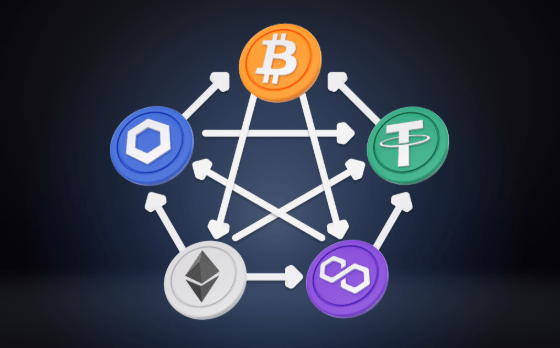
A decentralized exchange (DEX) is a peer-to-peer marketplace for cryptocurrency trades that operates without a central authority. It relies on smart contracts and automated market making to enable direct, on-chain swaps.
Privacy concerns arise from on-chain transparency, while the regulatory landscape shapes enforcement, compliance, and user responsibility.
The architecture emphasizes sovereignty, censorship resistance, and reduced counterparty risk through non-custodial custody.
Connecting Your Wallet and Choosing the Right Trading Pair
Connecting a wallet to a decentralized exchange is the foundational step that enables on‑chain trading; users must connect a compatible non-custodial wallet to the DEX interface, verify network settings, and authorize the session.
The process then centers on selecting pairs, monitoring liquidity, and planning trades.
Understanding fees, and confirming limits, ensures freedom while safely conducting trades on trusted networks.
Trading Essentials: Liquidity Pools, Slippage, and Fees Explained
Liquidity pools, slippage, and fees form the core mechanics of decentralized trading, translating pool reserves into executable prices, acceptable execution ranges, and cost structures.
Trading essentials illuminate how liquidity pools determine price impact, how slippage reflects order size versus liquidity, and how fees explained reveal protocol economics.
Clarity enables participants to balance risk, transparency, and freedom while executing precise, informed trades.
Safety, Best Practices, and Getting Started Confidently
Before engaging with a decentralized exchange, practitioners should establish solid custodianship, security, and risk-aware routines to minimize exposure to common pitfalls and evolving threats.
The article emphasizes security hygiene and risk awareness as core disciplines, detailing deterministic device hygiene, verification of contract sources, and controlled key management.
It recommends minimal permissions, audit trails, and cautious onboarding to ensure confident, compliant participation without overexposure.
See also: The Future of Holographic Technology
Conclusion
A decentralized exchange enables self-sovereign trading, with non-custodial wallets, direct on-chain execution, and transparent liquidity dynamics. Traders verify networks, connect trusted wallets, and select trading pairs, while evaluating liquidity, price impact, slippage, and fees. Users practice rigorous security hygiene, minimize permissions, and audit contracts, maintaining deterministic device practices and secure key management. By understanding on-chain transparency and regulatory context, participants navigate risk with disciplined workflows, governance awareness, and proactive risk mitigation, maintaining sovereign control over assets throughout every trade.