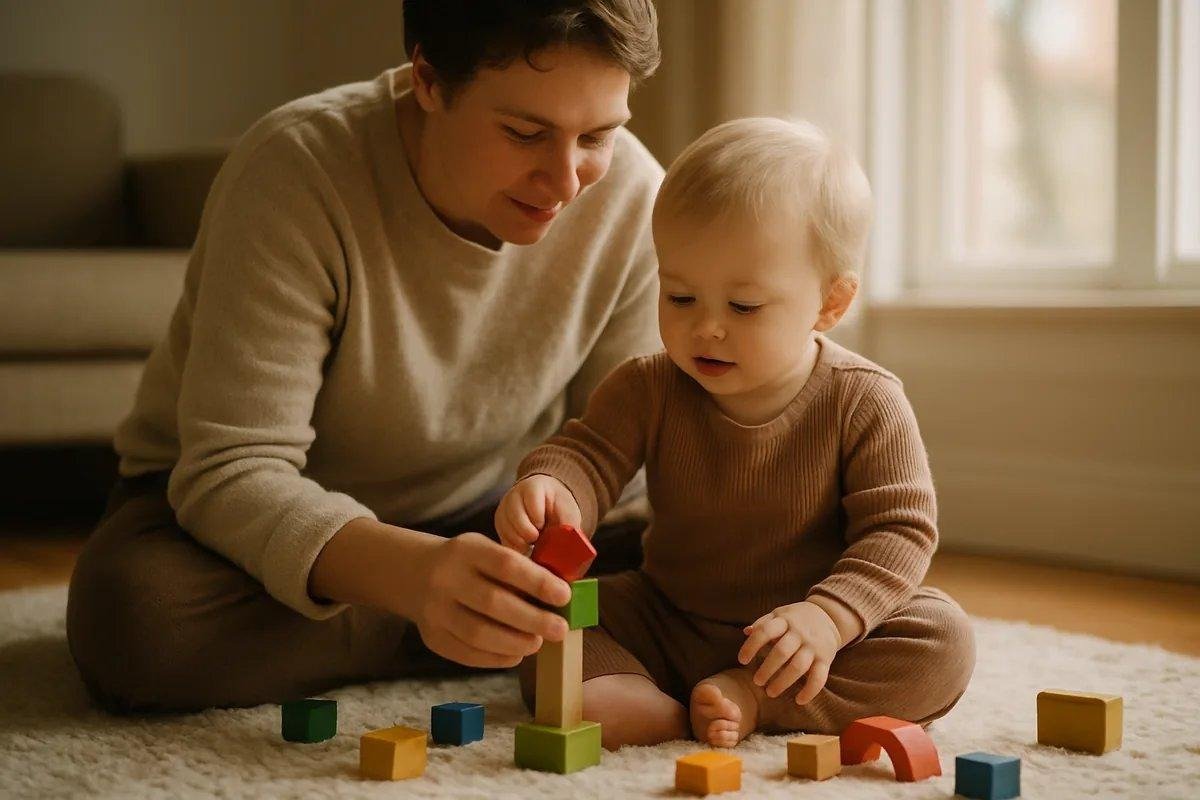
Here is the uncomfortable truth about this category: most “speech delay apps for kids” are essentially digital flashcard decks. Tap a picture, hear a word, repeat it. That works for some kids. For a lot of neurodivergent children, especially ones with apraxia or sensory sensitivities, that format lasts about four minutes before the tablet gets thrown across the room. So when I looked at what parents and SLPs are actually recommending right now, I tried to separate the drill tools from the ones that keep kids genuinely engaged long enough to matter.
Here is what I found across ten options worth your time.
Quick Comparison
| App | Best For | Format | Price (approx.) | SLP-Designed | Parent Reports | No Ads |
| Little Words | Ages 2-8, neurodivergent, pre-readers | AI voice companion, play-based | Free trial, then subscription | Built on SLP principles | PDF export, weekly cards | Yes (COPPA) |
| Speech Blubs | Apraxia, autism, ADHD, delay | Video modeling, voice-controlled | $14.49/mo or $59.99/yr | SLP-informed | Basic progress tracking | Yes |
| Articulation Station | Articulation & phonological goals | Structured drills, 1,200+ words | ~$59.99 one-time (Pro) | Built by SLPs | Limited | Yes |
| Otsimo | Autism, Down syndrome, non-verbal | AI feedback, 200+ exercises | $6.99/mo or $4.49/mo annual | Clinically referenced | Basic | Yes |
| Tactus Therapy apps | Clinical/home carry-over | Individual clinical apps | $9.99-$99.99 each | Yes, SLP-built | Varies by app | Yes |
| Constant Therapy | Broader age range, evidence-based | Structured exercises | Subscription | Evidence-based | Yes | Yes |
| Hallo | Older kids, conversational practice | AI language practice | Varies | No | No | Varies |
| In-person SLP (e.g. Expressable) | All needs, medical/diagnostic | Live teletherapy or in-person | Varies widely | Licensed SLP | Yes | N/A |
| ASHA free resources | Families on a budget | Guides, activity sheets | Free | Professionally authored | No | Yes |
| Library speech apps | Low-cost supplemental practice | Mixed | Free with library card | Varies | No | Varies |
The Picks, Explained
1. Little Words
This one genuinely caught me off guard. Most apps in this space hand a child a screen full of menus and text, which immediately excludes pre-readers and kids who shut down at visual clutter. Little Words does the opposite. The whole thing runs on voice. A child just talks, and Buddy, the app’s AI companion, talks back, listens, remembers what the child said last time, and adjusts.
That memory piece is not cosmetic. Buddy recalls the child’s name, their preferred topics, and where they left off. Sessions open with a mood check so Buddy can dial his energy up or down depending on how the child is feeling that day. Sensory presets let parents choose calm, gentle, or higher-energy modes before the session even starts. For a kid with ADHD or sensory sensitivities, that kind of front-loaded regulation support is rare in an app.
The speech work itself is embedded in play. Kids explore themed worlds (Space, Forest, Ocean, Dinosaurs) and play games like “Voice Maze” and “What’s That Sound.” Buddy never flags an answer as wrong. He simply models the correct pronunciation and moves on. That approach mirrors how many SLPs handle low-pressure practice, and parents can set specific target sounds (s, r, l, sh, th, and others) through the parent dashboard.
Speaking of the dashboard: it includes session history, weekly shareable progress cards, and SLP-style PDF reports. That last feature is genuinely useful if a child is already working with a therapist and you want to show up to appointments with data.
No ads, COPPA compliant, no data sold. Sessions run 5 to 20 minutes and are adjustable. Free trial available before committing to a subscription.
This is a practice and engagement tool, not a medical device. It does not replace a licensed SLP.
See also: How to Use a Decentralized Exchange
2. Speech Blubs
Over 1,500 activities using video modeling, where children watch real kids and characters produce sounds, then try to match them with their own voice. The app uses the front camera to give real-time voice feedback. At roughly $60 a year it is one of the more affordable structured options, and it covers a wide range of needs including apraxia, autism, and ADHD. The activity library is genuinely large.
3. Articulation Station (Little Bee Speech)
Built by SLPs from the ground up, and it shows. The word lists are organized by sound position (initial, medial, final), which is exactly how a therapist structures drill work. Over 1,200 target words, with recording features so kids can hear themselves back. The Pro version is a one-time $59.99 purchase, which over a year beats most subscriptions. Best suited for children already in therapy who need structured at-home carry-over practice.
4. Otsimo
Designed specifically for autism, Down syndrome, apraxia, and non-verbal children. Two hundred plus exercises with AI-driven feedback. The annual plan works out to about $4.49 a month, making it one of the more accessible options at scale. The interface is simple and the exercise types cover AAC-adjacent skills, not just articulation.
5. Tactus Therapy
This is a suite of individual clinical apps, each targeting a specific area (aphasia, articulation, language, fluency). Prices range from $9.99 to $99.99 per app. SLP-designed throughout. More useful as a clinical carry-over tool than a solo child-facing product, but parents who have been given specific targets by a therapist may find individual Tactus apps worth buying outright.
6. Constant Therapy
Evidence-based and built for a broader age range than most apps in this list. Subscription-based, with a focus on structured language and cognitive-communication exercises. More clinical in feel. Better for school-age children than toddlers.
7. Hallo
An AI-powered conversational practice tool. More useful for older children working on expressive language and fluency than for early-intervention speech delay. The AI interaction is the draw here, but the clinical scaffolding is lighter than purpose-built speech apps.
8. Working Directly with a Licensed Speech-Language Pathologist
Every app on this list, including the top pick, is a supplement. Not a replacement. A licensed speech-language pathologist does something no app does: she diagnoses, adjusts in real time based on oral motor observation, and catches patterns an algorithm will miss. Services like Expressable offer teletherapy that removes the geography barrier. If a child has a documented speech delay, starting with an SLP evaluation is the right first move, and apps work best alongside that care.
9. ASHA Free Resources
The American Speech-Language-Hearing Association publishes free guidance for families, including milestone checklists, activity ideas, and guidance on when to seek evaluation. Not an app, but a genuinely useful free baseline before spending money anywhere.
10. Library Apps and Digital Resources
Many public library systems give cardholders free access to learning apps through platforms like Libby or Sora. Quality varies, and few are speech-specific, but for families managing tight budgets, the library ecosystem is worth checking before purchasing anything.
My Honest Bottom Line
If a child is a pre-reader, gets overwhelmed by busy interfaces, or has shut down during drill-style apps before, Little Words is the most thoughtfully designed option I have found for that specific situation. If structured articulation drill work is already part of a therapy plan, Articulation Station is hard to beat on value. For families managing tight budgets, Otsimo’s annual rate and ASHA’s free materials are both genuinely useful. No app on this list is a medical intervention. They are practice tools, and the best outcomes come when they sit alongside real clinical care, not instead of it.
Common Questions
Can an app like Little Words or Speech Blubs actually replace a speech therapist?
No app on this list replaces a licensed SLP. Little Words and Speech Blubs are practice tools built to extend what a therapist has already started, not to diagnose or treat independently. Children with documented delays, apraxia, or non-verbal presentations should have an SLP evaluation first, and apps work best filling the hours between real appointments.
How do I know which target sounds to set in Little Words if my child has not been evaluated yet?
You can start with sounds your child consistently misses or avoids in daily conversation, but a proper target sound list really should come from an SLP assessment. Little Words allows parents to adjust sound targets at any time through the dashboard, so settings are easy to update once a therapist provides specific goals.
Is Articulation Station worth buying outright, or should I try a subscription app first?
If your child’s therapist has already identified specific sounds to drill, the one-time $59.99 Pro purchase for Articulation Station makes more financial sense than a recurring subscription. If you are still figuring out what the child needs, a free trial with Little Words or Speech Blubs costs less upfront while you wait for an evaluation.
What makes Speech Blubs different from Articulation Station for a child with apraxia?
Speech Blubs centers on video modeling, where a child watches real people produce sounds before attempting them, which suits the motor-planning challenges common in apraxia. Articulation Station is drill-focused and word-list-driven, better suited for children who already understand the target and need repetition volume rather than a new movement model.
Does Otsimo work for children who are not yet verbal at all?
Otsimo covers AAC-adjacent skills and is specifically designed for non-verbal children alongside those with autism and Down syndrome. It is not a full AAC system on its own, but its exercise types go beyond articulation drills. Families of pre-verbal children should still consult an SLP about whether a dedicated AAC device or app is also appropriate.
Sources
- American Speech-Language-Hearing Association (ASHA): asha.org
- Little Bee Speech / Articulation Station: littlbeespeech.com (product and pricing pages)
- Speech Blubs: speechblubs.com (pricing and feature pages)
- Otsimo: otsimo.com (pricing and feature pages)
- Tactus Therapy Solutions: tactustherapy.com (app catalog and pricing)
- Expressable: expressable.io (teletherapy service overview)
- Constant Therapy: constanttherapy.com (product overview)